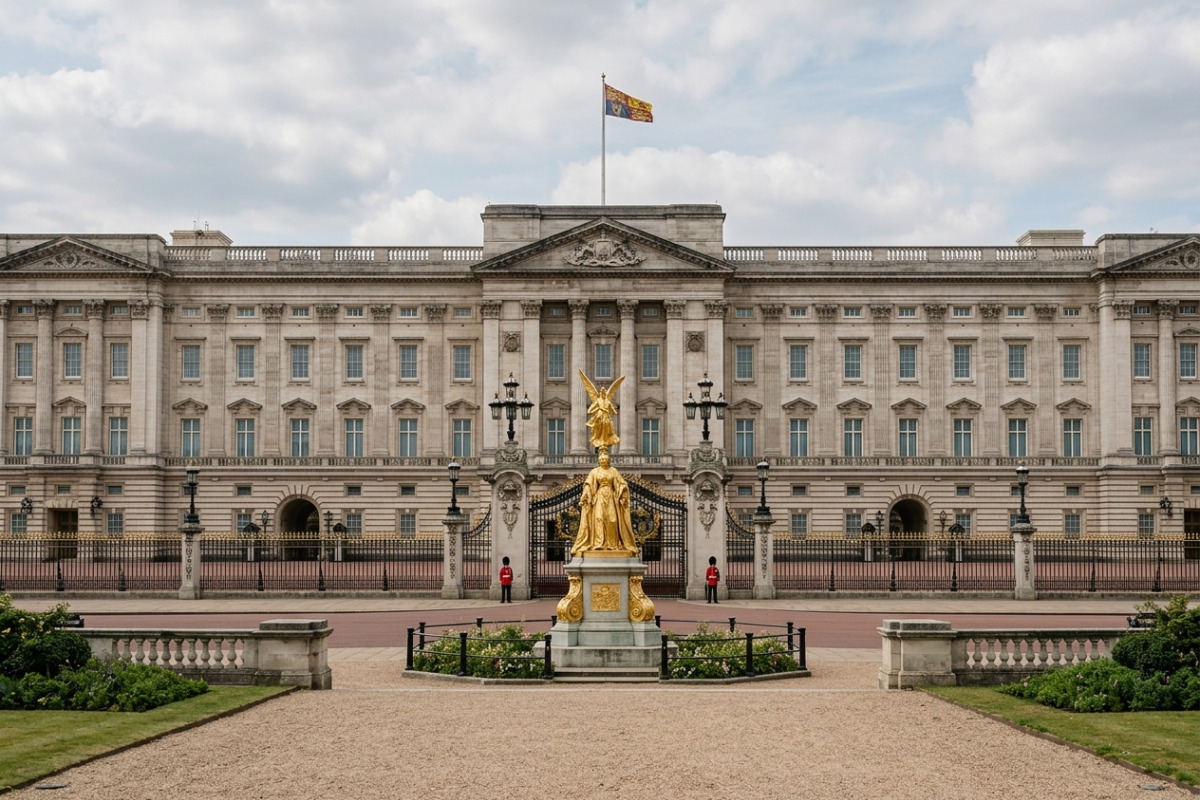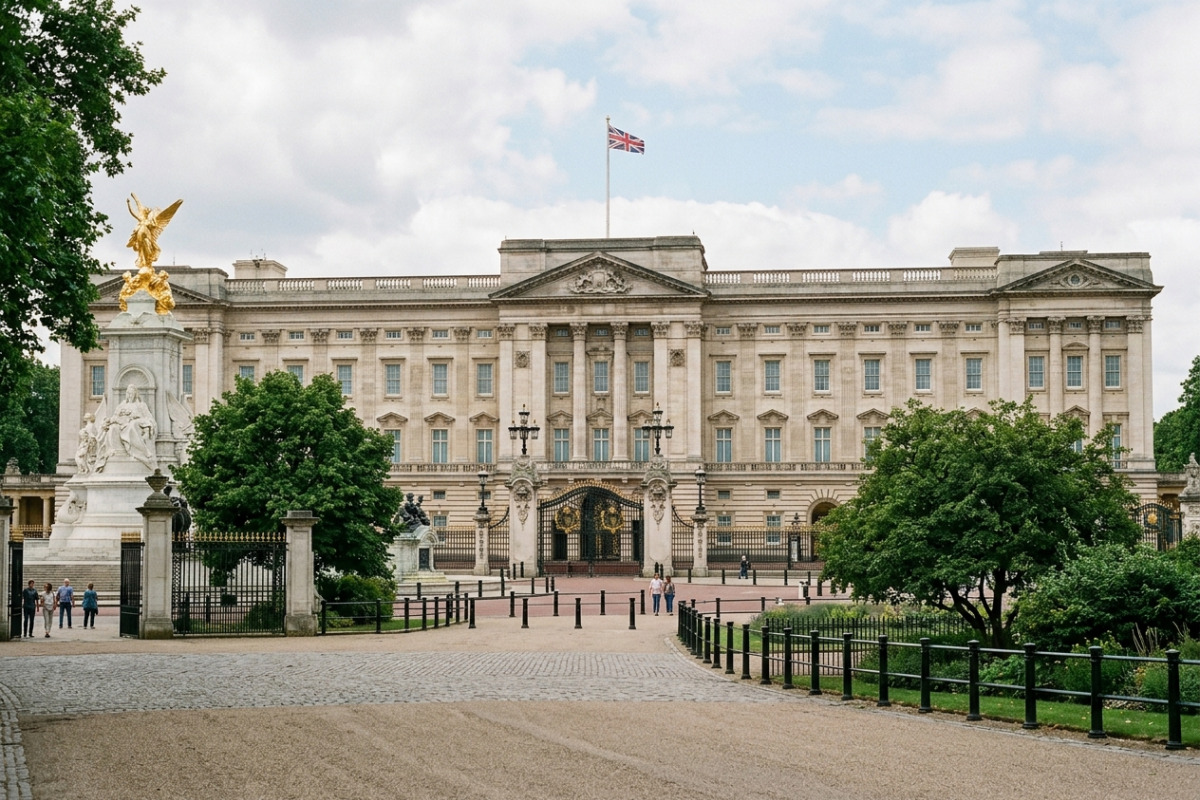
When you stand before the imposing wrought-iron gates of London’s most famous address, it is easy to assume that this monumental structure has always been the epicenter of the British monarchy. The sheer scale of the building, with its pristine Portland stone and iconic balcony, projects an image of timeless royal authority. Yet, the architectural evolution of Buckingham Palace tells a far more intimate and dynamic story. It is a fascinating tale of continuous adaptation, reflecting not only the changing tastes of monarchs but also the shifting relationship between the crown and the public. To truly appreciate this magnificent landmark, we must peel back the layers of history and trace its remarkable journey from a modest private townhouse to a global symbol of the British state. This article explores the fascinating journey of Buckingham Palace architecture, from its humble beginnings to its current grandeur.
Origins: From Buckingham House to Royal Acquisition
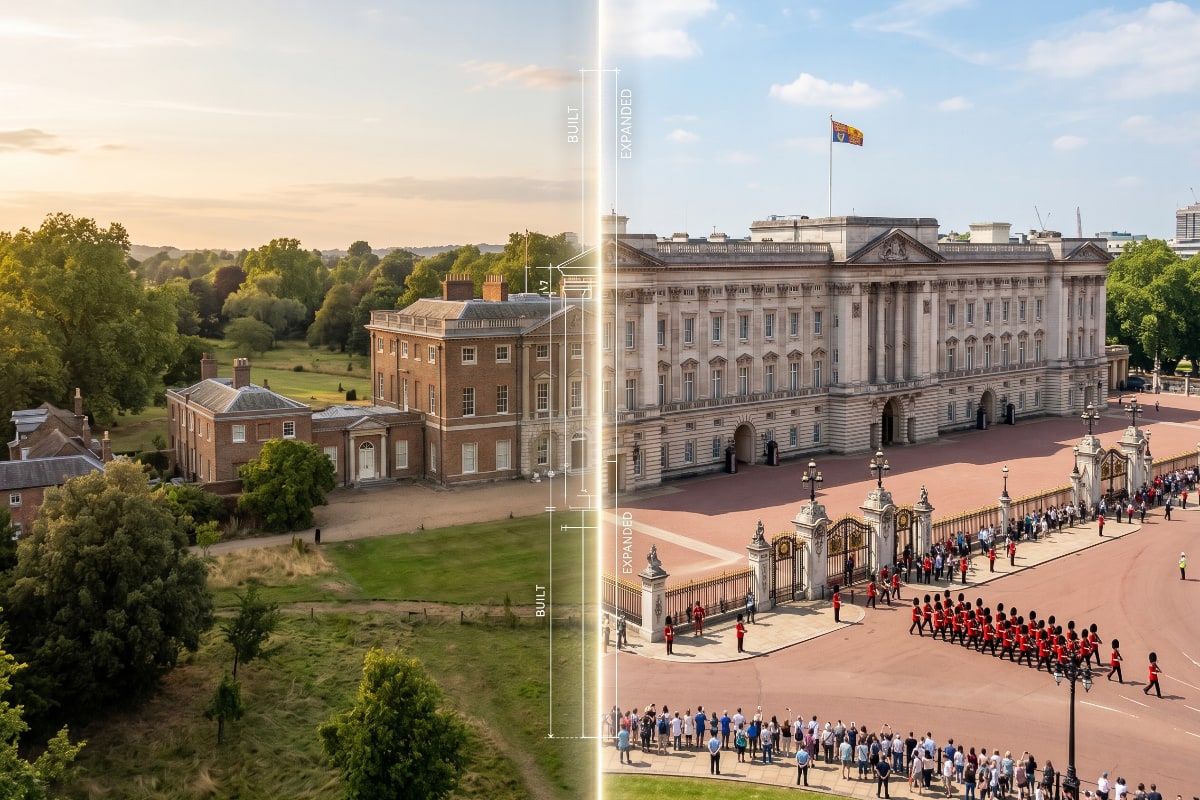
Long before it became the principal royal residence, the site was occupied by a relatively modest, albeit elegant, brick mansion known as Buckingham House. Built in 1703 for John Sheffield, the first Duke of Buckingham, it was designed by architect William Winde as a comfortable aristocratic retreat on the fringes of London. The original structure was a classic three-story central block flanked by two smaller service wings, a far cry from the sprawling complex we see today. In 1761, King George III acquired the property as a private family home for his wife, Queen Charlotte. It became affectionately known as the "Queen's House," serving as a quiet sanctuary away from the formal and drafty confines of St James's Palace. The architecture remained largely untouched, focused entirely on domestic comfort.
The acquisition marked a significant turning point in the history of Buckingham Palace architecture, setting the stage for its eventual transformation into a royal palace.
The Nash Transformation: A Grand Neoclassical Vision (1820-1830)
The true Buckingham House transformation began with the ascension of King George IV in 1820. A monarch known for his extravagant taste and theatrical flair, George IV decided that the quaint family home was entirely inadequate for a king of his stature. He enlisted the visionary John Nash to transform the brick townhouse into a spectacular palace worthy of the British empire. Nash embarked on a sweeping redesign, retaining the core of the original house but wrapping it in a grand suite of rooms faced with golden Bath stone. He introduced a striking Neoclassical style, often described as Regency style due to its prevalence during that era, characterized by ornate Corinthian columns, sweeping pediments, and lavish sculptural details that elevated the building's status. While some sources refer to a 'French Neoclassical' influence, the style is more accurately categorized as English Neoclassical with Regency flourishes. Nash's work aimed to create a palace that reflected the power and prestige of the British monarchy.
Nash's transformation involved significant structural changes and additions. He added three new wings, effectively tripling the size of the original Buckingham House. The East Front, now the public face of the palace, was part of Nash's grand design, though it would later be refaced. The use of Bath stone, a honey-colored limestone quarried near Bath in Somerset, gave the palace a warm and inviting appearance. Nash's signature Corinthian columns, inspired by classical architecture, added a touch of grandeur and sophistication. The overall design reflected the Regency style, characterized by elegance, symmetry, and a sense of theatricality.
The Cost of Magnificence and Nash's Dismissal
Nash’s vision was undeniably brilliant, but his execution was notoriously chaotic and vastly over budget. The soaring costs of creating this theatrical backdrop for state occasions eventually led to scrutiny and ultimately his unceremonious dismissal following the king's death in 1830. The project, initially estimated at £450,000, ballooned to over £700,000, sparking public outrage and parliamentary investigations. The architectural baton was then passed to Edward Blore, a more pragmatic and restrained professional, to salvage the project and bring it to completion.
The Blore Era: Completing Nash's Vision and Expanding Functionality (1830-1840s)
Edward Blore's tenure marked a shift towards practicality and functionality in Buckingham Palace architecture.
Completing Nash's Vision
Blore was tasked with finishing the palace for King William IV, focusing on completing the royal state rooms and making the building functional for everyday governance. His approach was more practical than Nash's flamboyant style, prioritizing usability and cost-effectiveness. However, William IV never lived to see the completed palace, as he died in 1837, the same year Queen Victoria ascended the throne.
The Victorian Era: Official Residence, Expansion, and the Iconic Balcony (1837 Onward)
The Victorian era brought significant changes to Buckingham Palace, solidifying its role as the official royal residence and necessitating further expansion to accommodate the growing needs of the monarchy.
Queen Victoria's Official Residence and the East Front Expansion
Queen Victoria officially moved the royal residence to Buckingham Palace in 1837, marking a pivotal moment in its history. While Nash’s state rooms were beautiful, the palace lacked essential practical spaces for a growing family and the vast administrative machinery of the modern monarchy. The building was essentially a U-shape at the time, with an open courtyard facing the Mall.
Victorian Expansions and 19th-Century Details
To solve the space issue, Blore was commissioned to design a new East Front, effectively closing off the courtyard and creating the enclosed quadrangle we recognize today. This expansion, completed in the 1840s, significantly increased the palace's footprint.
This massive building campaign necessitated the relocation of the Marble Arch, which originally served as the palace's grand entrance, to its current location at Hyde Park corner. The expansion fundamentally altered the palace's footprint and its relationship with the surrounding city. More importantly, Blore’s new wing introduced a feature that would change the way the monarchy interacted with the public forever. He designed a central balcony on the East Front, providing a designated stage for the royal family to appear before their subjects during times of national celebration or crisis. The first recorded royal balcony appearance was in 1851, during celebrations for the opening of the Great Exhibition.
Aston Webb and the 20th Century: A New Facade for a New Era (1913)
By the early 20th century, the soft Bath stone used by Nash and Blore had severely deteriorated due to London's notorious smog and industrial pollution. In 1913, under King George V, architect Sir Aston Webb was brought in to reface the entire eastern facade. Webb chose durable, bright Portland stone and applied a more severe, majestic classical design. This architectural shift was highly intentional, designed to project strength, permanence, and imperial grandeur during a time of global uncertainty, creating the gleaming backdrop for the Changing of the Guard that enchants visitors today.
The 1913 East Front Refacing
Webb's work not only addressed the structural issues but also updated the palace's aesthetic to reflect the changing times. The Portland stone facade remains a defining feature of Buckingham Palace today.
The choice of Portland stone was significant. It is a harder, more durable limestone that is resistant to weathering and pollution. Webb's design also simplified the facade, removing some of the ornate details added by Nash and Blore. The result was a more restrained and imposing appearance, reflecting the changing tastes of the early 20th century.
World War II Impacts and Modernizations
Buckingham Palace was not immune to the ravages of World War II. It was bombed several times during the Blitz, most notably in 1940 when the chapel was destroyed. These events served as a powerful symbol of shared hardship between the monarchy and the British people. King George VI and Queen Elizabeth (the Queen Mother) famously remained at the palace during the bombings, demonstrating solidarity with the nation. Following the war, extensive repairs and renovations were undertaken to restore the palace to its former glory. Furthermore, the palace has undergone continuous modernization to meet the demands of a 21st-century monarchy, including upgrades to its infrastructure and accessibility. The palace also serves as a working office for many members of the Royal Household.
Interior Splendor: Reflecting Royal Duty and Public Expectation
The interior redesigns of the palace are just as telling as its exterior transformations. The royal state rooms were meticulously crafted not just for visual impact, but as highly choreographed spaces for diplomacy, investitures, and royal entertaining. These grand spaces were intentionally designed to impress, intimidate, and warmly welcome guests from across the globe. As the monarchy's role shifted from absolute power to constitutional duty, these rooms became the elegant theater where the modern business of the crown is conducted.
When exploring the interior Buckingham Palace architecture, several key spaces highlight this blend of artistry and function. Each room tells a unique story of royal patronage and architectural ingenuity. The following highlights showcase the brilliance of the palace's inner sanctum:
- The Grand Staircase: Designed by Nash, this sweeping bronze-balustraded staircase creates a dramatic, theatrical ascent for visiting dignitaries, setting a tone of awe from the moment they arrive.
- The White Drawing Room: Perhaps the most beautiful of all the state rooms, featuring magnificent plasterwork and a concealed door that allows the monarch to make a sudden, magical entrance.
- The Throne Room: Featuring a dramatic proscenium arch inspired by theater design, it centers focus entirely on the royal chairs, emphasizing the weight and continuity of the crown.
- The Ballroom: Added during the Victorian era, this opulent space is used for state banquets and investitures, showcasing the grandeur of the monarchy.
- The Picture Gallery: A top-lit masterpiece stretching the length of the state apartments, designed specifically to showcase the monarch's unrivaled art collection while serving as a central artery for guests.
The Gardens of Buckingham Palace
The gardens of Buckingham Palace offer a tranquil oasis in the heart of London. While not directly part of the palace's architectural evolution, their design and landscaping reflect the changing tastes and priorities of the monarchy. The 39-acre gardens include a lake, numerous trees and plant species, and even a helicopter landing area. They host royal garden parties and other events. While historically private, parts of the gardens are now accessible to the public during certain times of the year.
Architectural Timeline of Buckingham Palace
To fully grasp the scale of this royal residence evolution, it is helpful to look at the major milestones that shaped the building. The architectural timeline reveals how rapidly the structure adapted to the needs of its royal occupants. The following table outlines the crucial architectural phases that transformed a simple house into a national icon.
| Era / Year | Lead Architect | Architectural Phase | Key Contributions |
| 1703 | William Winde | Buckingham House | Designed the original brick townhouse as a private retreat for the Duke of Buckingham. |
| 1761 | King George III | Royal Acquisition | Acquired Buckingham House as a private family residence for Queen Charlotte. |
| 1820s | John Nash | Neoclassical Transformation | Introduced Bath stone facing, the Grand Staircase, and the opulent State Rooms. |
| 1830s-1840s | Edward Blore | The East Front Expansion | Enclosed the courtyard, relocated Marble Arch, and added the iconic Royal Balcony. |
| 1837 | Queen Victoria | Official Royal Residence | Buckingham Palace officially becomes the principal royal residence. |
| 1913-1914 | Sir Aston Webb | Portland Stone Refacing | Created the current majestic facade, establishing a monumental public backdrop. |
| 20th-21st Century | Various | War Damage and Restoration | Repairs after WWII bombing, ongoing modernizations and conservation efforts. |
Visiting Buckingham Palace Today
Buckingham Palace opens its doors to visitors during the summer months, offering a glimpse into the State Rooms and the Royal Collection. The Queen's Gallery, showcasing rotating exhibitions from the Royal Collection, is open year-round. Tickets can be purchased in advance through the Royal Collection Trust website. Security checks are in place, and visitors are advised to arrive early. The Changing of the Guard ceremony is a popular attraction, taking place on select days outside the palace gates. For detailed information on opening dates, ticket prices, and accessibility, please visit the Royal Collection Trust website. Buckingham Palace is a Grade I listed building, signifying its exceptional historical and architectural importance. Plan your visit!
Frequently Asked Questions (FAQ)
- When is Buckingham Palace open to the public? Buckingham Palace is typically open to the public during the summer months, from July to September. The Queen's Gallery is open year-round.
- How can I purchase tickets to visit Buckingham Palace? Tickets can be purchased in advance through the Royal Collection Trust website.
- What is the Changing of the Guard ceremony? The Changing of the Guard is a traditional ceremony where the soldiers currently on duty at Buckingham Palace are replaced by a new guard. It is a popular attraction and takes place on select days outside the palace gates.
- Is Buckingham Palace accessible to visitors with disabilities? Yes, Buckingham Palace offers accessibility features for visitors with disabilities, including wheelchair access and audio guides.
Conservation and Restoration
Buckingham Palace is a Grade I listed building, and its preservation is of utmost importance. Ongoing conservation efforts are in place to maintain its architectural integrity and historical significance. The Royal Collection Trust oversees these efforts, working with skilled craftsmen and conservators to ensure the palace remains a symbol of British heritage for generations to come. Major renovation projects are undertaken periodically to address structural issues and modernize the palace's infrastructure.
A Living Monument to British History
Today, as we navigate through the vibrant streets of London, Buckingham Palace remains a living, breathing testament to architectural resilience and historical continuity. It is not merely a static museum or a relic of a bygone era; it is a working headquarters that has constantly adapted to meet the evolving expectations of the public. The journey from John Sheffield’s quiet brick retreat to the monumental Portland stone fortress of the modern monarchy is etched into every column, cornice, and corridor of this historic building.
For the passionate traveler and the British royal history enthusiast alike, understanding this architectural evolution adds a profound layer of appreciation to the experience. You no longer just see a grand building; you witness the ambition of George IV, the practical necessities of Queen Victoria, and the enduring legacy of a nation. The palace stands as a magnificent chronicle in stone, inviting us all to read its fascinating chapters and marvel at the artistry that shaped an empire. Plan your visit to Buckingham Palace today and witness this architectural marvel for yourself!