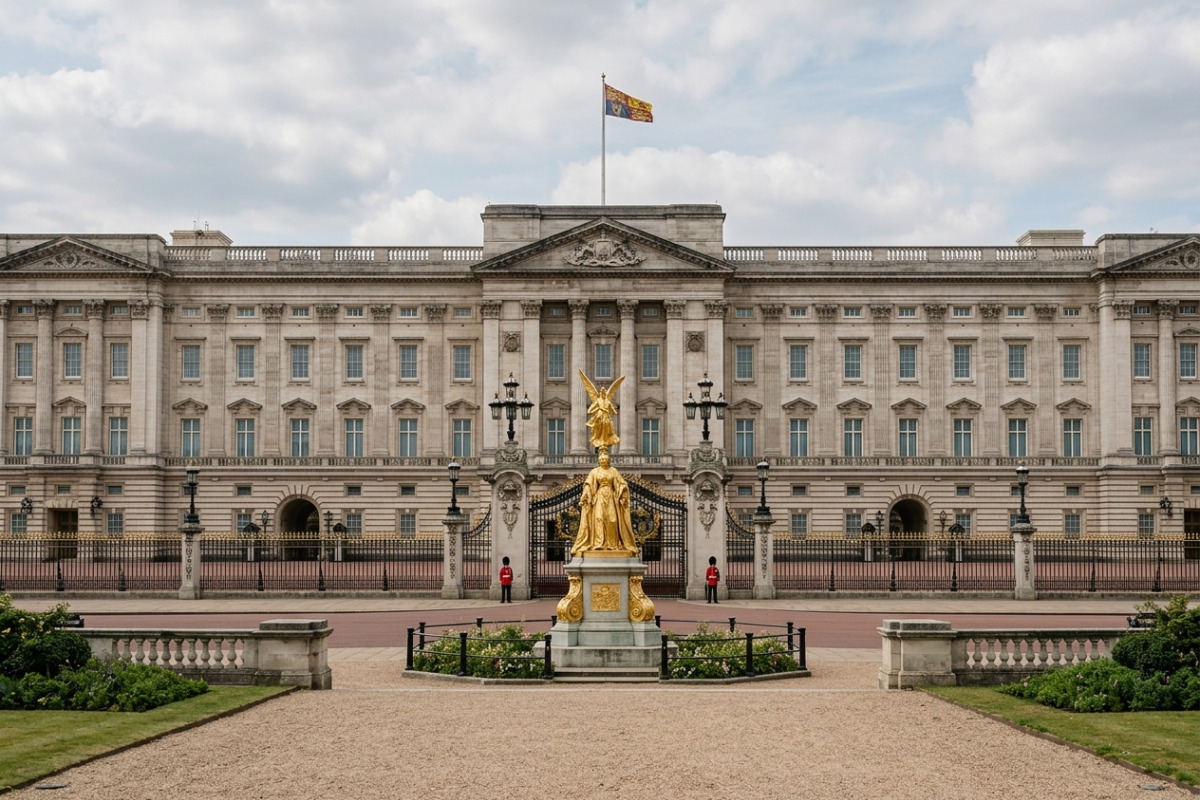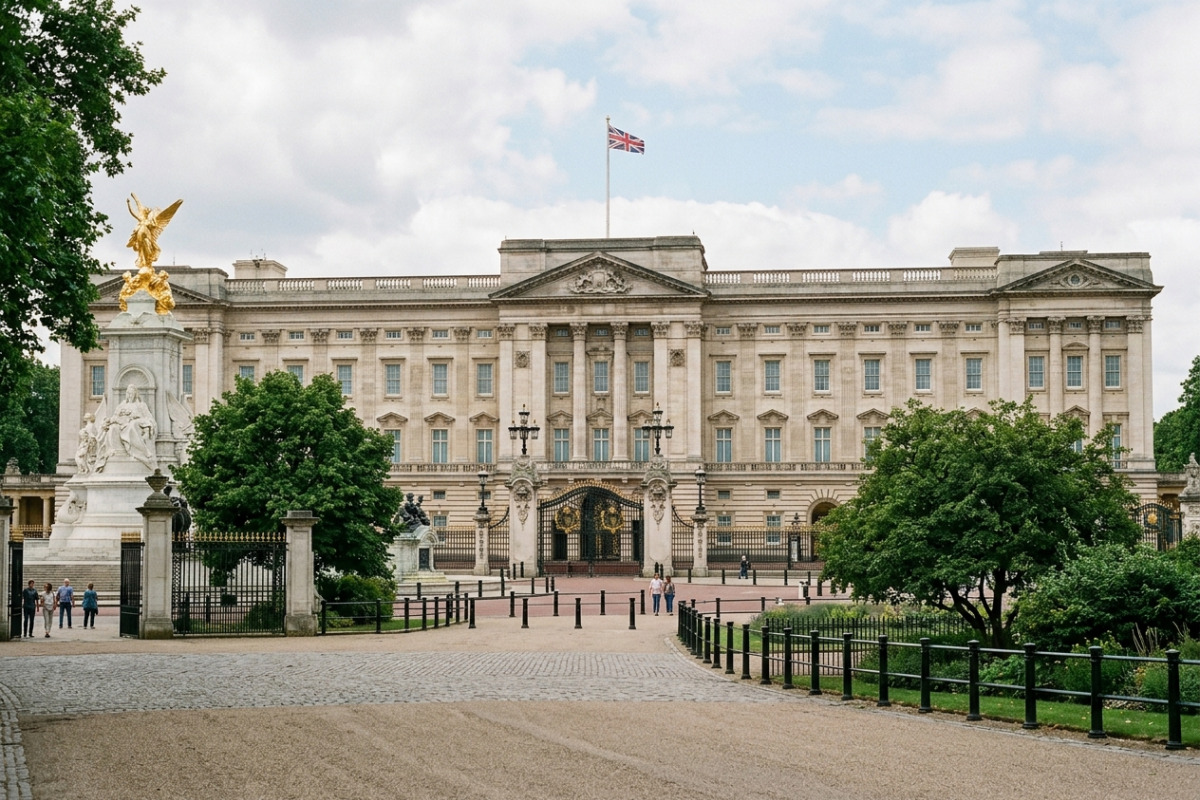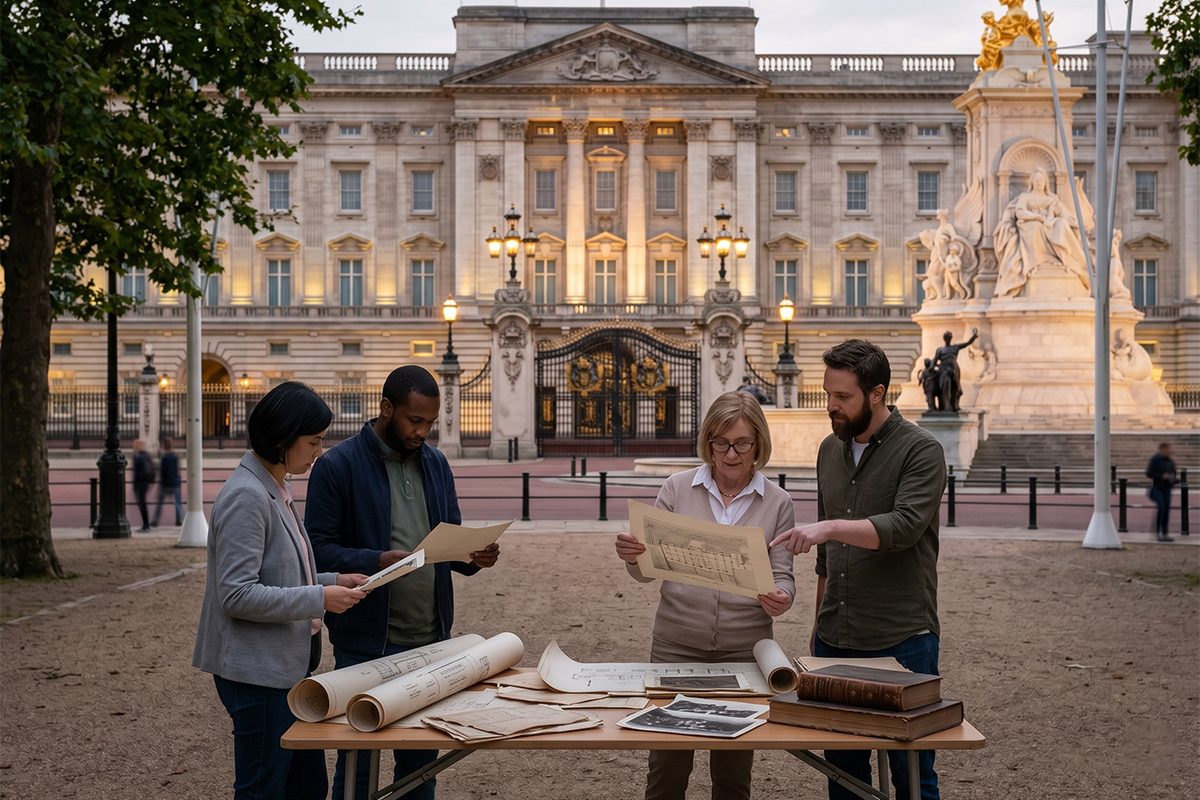
Buckingham Palace stands not just as a royal residence but as a monument of British history and culture. Its evolution from a modest townhouse to the iconic palace we recognize today is a tale of architectural innovation, royal ambition, and national significance. Understanding this history provides deeper insight into the traditions and ceremonies that define the British monarchy.
The Origins of Buckingham Palace
The site where Buckingham Palace now resides has been significant since the early 18th century. Originally built as a townhouse for the Duke of Buckingham in 1703, it was designed by architect William Winde. Over the years, the property underwent several transformations, eventually catching the eye of King George III, who acquired it in 1761. This acquisition marked the beginning of its journey towards becoming a royal residence.
As the palace evolved, architects such as John Nash and Edward Blore played crucial roles in its expansion and renovation. Nash, in particular, was responsible for the grand facade and the iconic central balcony, which has since become a symbol of royal appearances. The architectural changes were not just about aesthetics; they reflected the growing stature of the monarchy and its desire to represent power and stability to the British public.
Significant Events in Royal History
Throughout its history, Buckingham Palace has been the backdrop for numerous significant events that shaped the monarchy and the nation. From state banquets and grand receptions to the solemnity of royal funerals, the palace has witnessed both celebration and mourning. Notably, the palace served as a refuge during World War II, where the royal family remained steadfast in their duties despite the ongoing conflict.
The 20th century brought about major changes, particularly under the reign of Queen Elizabeth II. The palace became a symbol of resilience, especially during times of national crisis. The famous balcony appearances during royal weddings and significant anniversaries have created lasting memories for the British public, further solidifying the palace's place in the heart of the nation.
Architectural Marvels of the Palace
One cannot discuss Buckingham Palace without mentioning its stunning architectural features. The State Rooms, used for official events and ceremonies, showcase an impressive blend of artistic mastery and royal heritage. Each room is adorned with exquisite furnishings and priceless artworks, making it a treasure trove of history.
Among the highlights is the Throne Room, an embodiment of royal grandeur, where the Queen receives guests and hosts important events. The intricate details and opulent decor serve as a reminder of the palace's status as a working royal residence. Visitors can explore these magnificent rooms through guided tours, offering a glimpse into the life of the monarchy.
The Palace Today: A Living Heritage
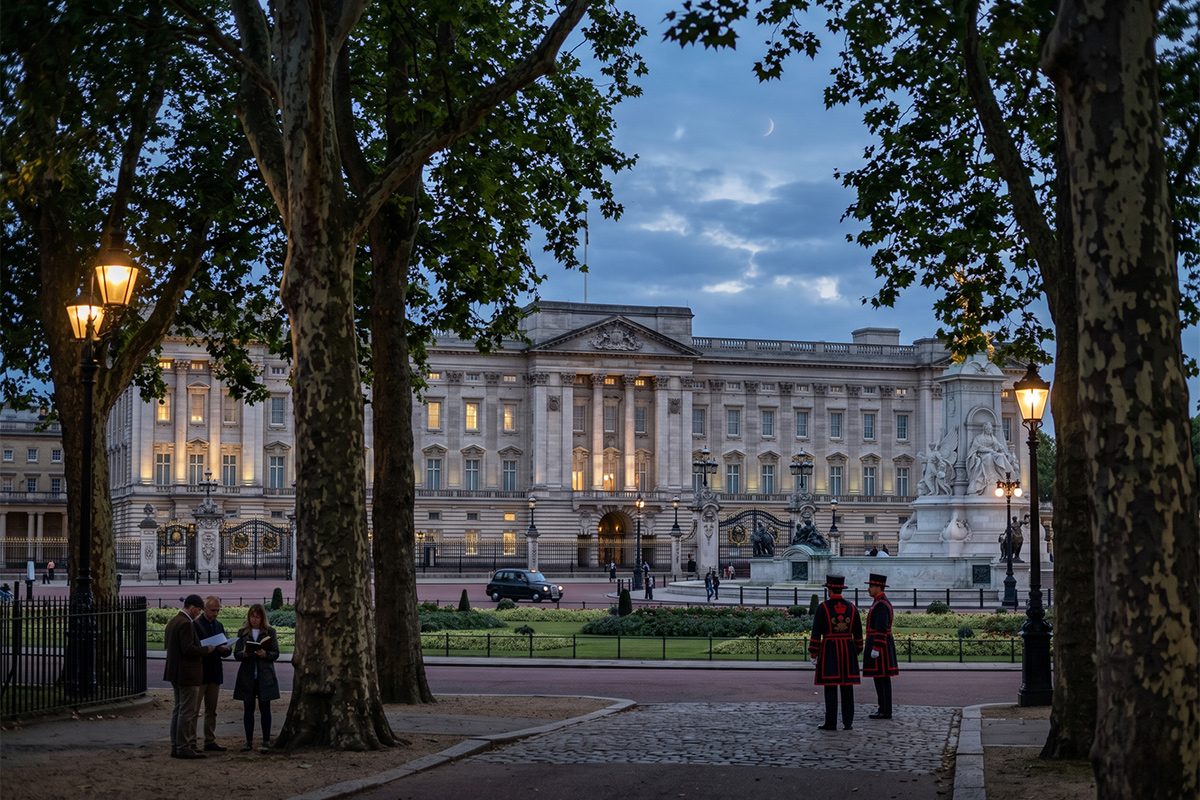
Today, Buckingham Palace continues to serve as the official London residence of the British monarch. It remains a focal point for national celebrations, including Trooping the Colour and state visits. The Changing of the Guard ceremony, a favorite among tourists, exemplifies the enduring traditions that connect the past with the present.
As a symbol of British history, the palace invites millions of visitors each year to explore its rich heritage. For those planning a visit, it’s essential to consider a Visitor Guide to enhance your experience, ensuring you don’t miss the key highlights and historical insights that make Buckingham Palace truly remarkable.
Conclusion: Embrace the Legacy of Buckingham Palace
Understanding the history of Buckingham Palace enriches your appreciation of this royal landmark. Its journey from a modest residence to a symbol of British royalty reflects the resilience and evolution of the monarchy itself. Whether you are visiting for the architectural splendor or the royal traditions, Buckingham Palace offers a unique glimpse into the heart of Britain's heritage. Plan your visit today and immerse yourself in this iconic landmark’s legacy by booking tickets.