When one thinks of Buckingham Palace, the mind often wanders to royal ceremonies and the grandeur of state functions. However, the architectural significance of this iconic structure is equally captivating. Understanding the architectural elements and styles that define Buckingham Palace not only enriches your visit but also deepens your appreciation for its historical context.
The Architectural Styles of Buckingham Palace
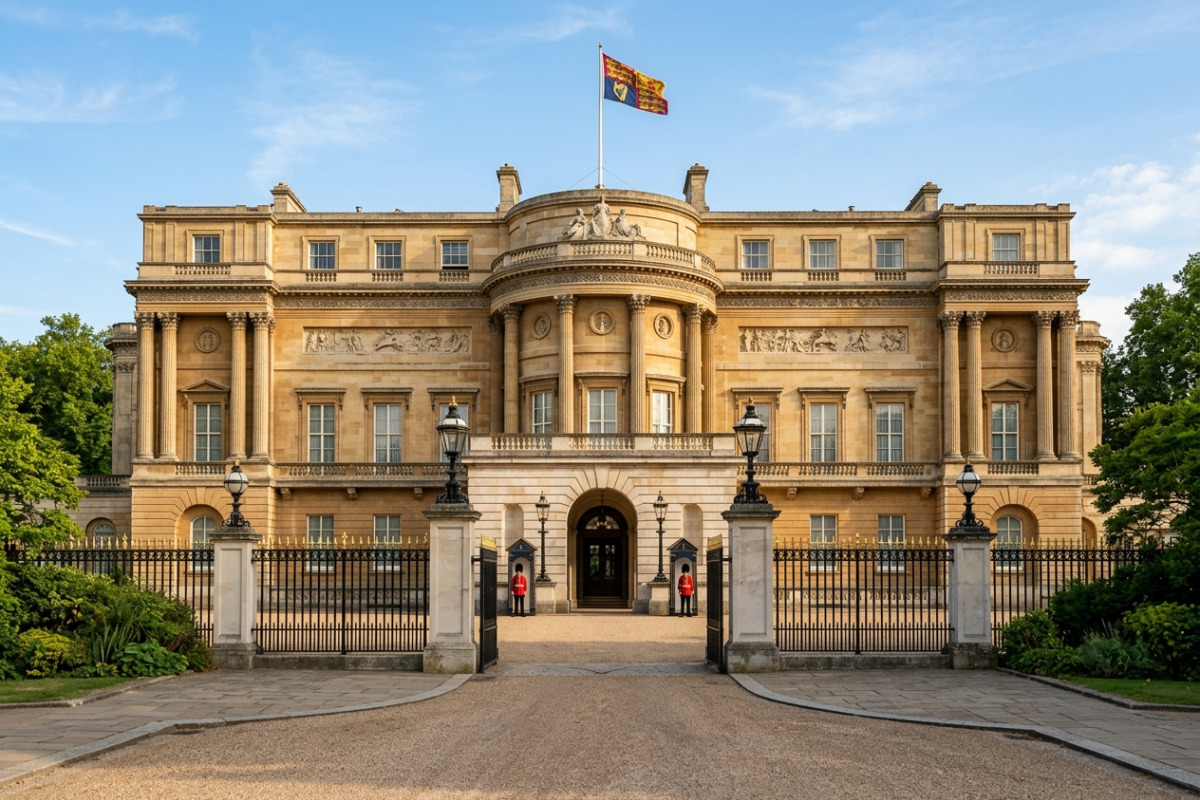
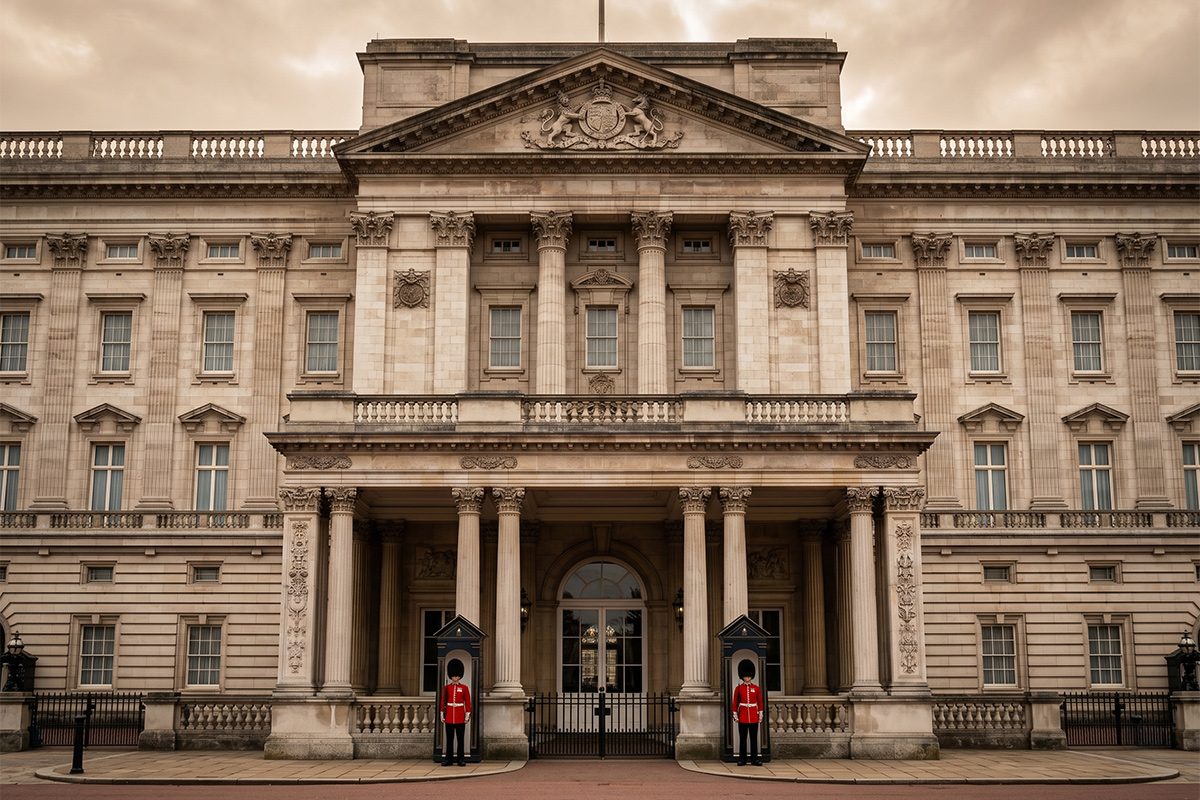
Initially constructed as a townhouse for the Duke of Buckingham in 1703, the building has undergone numerous renovations and expansions, reflecting various architectural styles. The most prominent elements are the neoclassical features introduced by architect John Nash in the early 19th century. Nash transformed the original structure into a magnificent palace, incorporating a grand façade and expansive state rooms that exemplified the opulence of the time.
As you walk through the palace grounds, notice the intricate details of the façade, including the Corinthian columns and the stunning central balcony, which is the focal point for royal appearances. These architectural choices were not mere aesthetics; they conveyed messages of power and tradition, aligning with the monarchy's enduring legacy.
Key Architectural Features to Observe
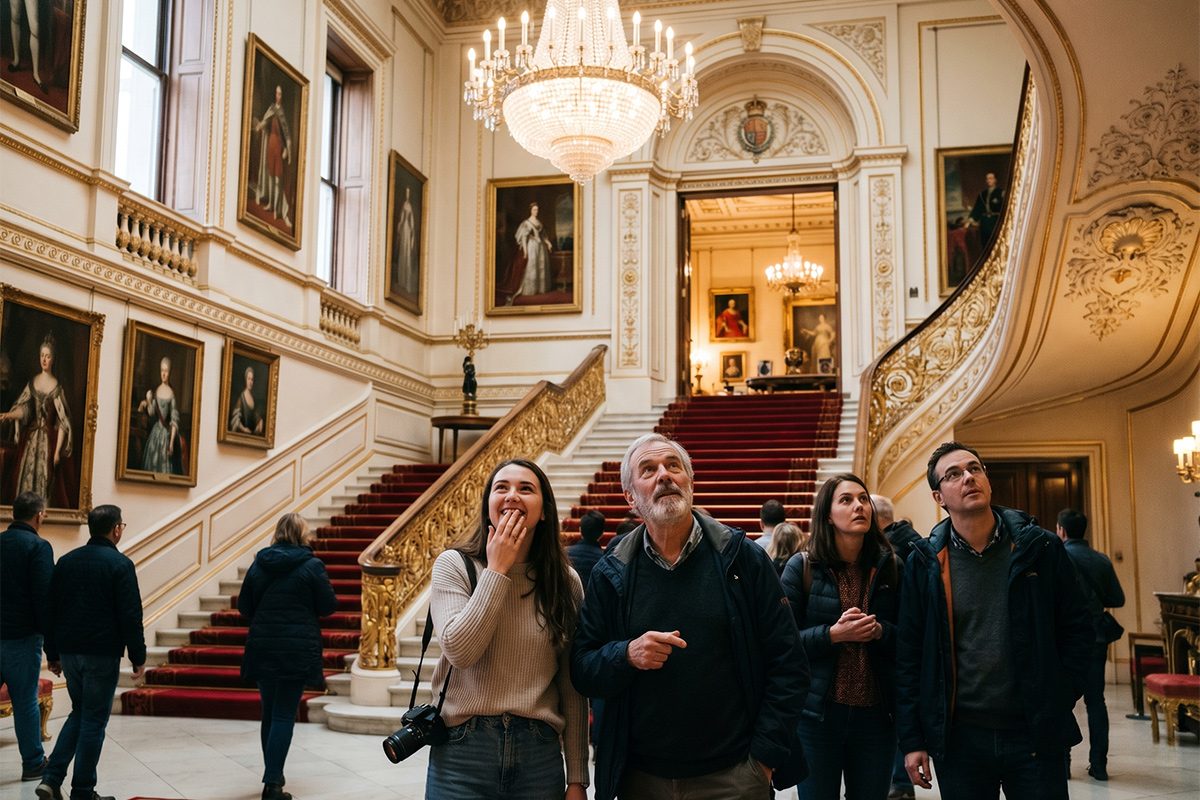
Among the many architectural highlights, the State Rooms stand out as prime examples of royal design. Each room is adorned with stunning artwork, luxurious furnishings, and historical artifacts that tell stories of the monarchy’s past. For instance, the White Drawing Room, with its elaborate decor and remarkable chandelier, serves as a perfect backdrop for royal receptions.
Another must-see is the palace’s impressive courtyard, which not only provides a majestic entryway but also showcases the grandeur of the building’s scale. The harmonious blend of functional space and ornamental design exemplifies the palace's role as both a residence and a symbol of British heritage.
The Palace Grounds: A Blend of Nature and Architecture
Beyond the palace walls, the surrounding gardens are an extension of its architectural beauty. Designed with meticulous care, the gardens offer a serene escape within the bustling city of London. The combination of manicured lawns, vibrant flower beds, and historic trees creates a picturesque setting that enhances the palace's aesthetic appeal.
Visitors can stroll through the gardens, taking in views of the palace from different angles, each revealing a new perspective on its architectural splendor. The seasonal changes within the garden not only beautify the surroundings but also add a layer of temporal richness to the experience of visiting Buckingham Palace.
Understanding the Historical Context Through Architecture
The evolution of Buckingham Palace's architecture mirrors the history of the British monarchy itself. Each renovation reflects the tastes and values of the era, from the Victorian embellishments to the modern adaptations that ensure the palace remains a relevant symbol of royalty today. By exploring these architectural changes, you gain insight into the shifting dynamics of power, society, and culture in Britain.
As you prepare for your visit, consider delving deeper into the palace’s architectural heritage. You can discover more about this historical journey by referring to the History & Heritage section on our website.
Conclusion: A Royal Invitation to Explore
Visiting Buckingham Palace offers a unique opportunity to witness not just a royal residence, but a masterpiece of architecture. By understanding its design and historical significance, your experience will be enriched beyond the surface level. Don’t forget to book your tickets in advance and refer to our comprehensive Visitor Guide for tips on navigating this royal landmark.