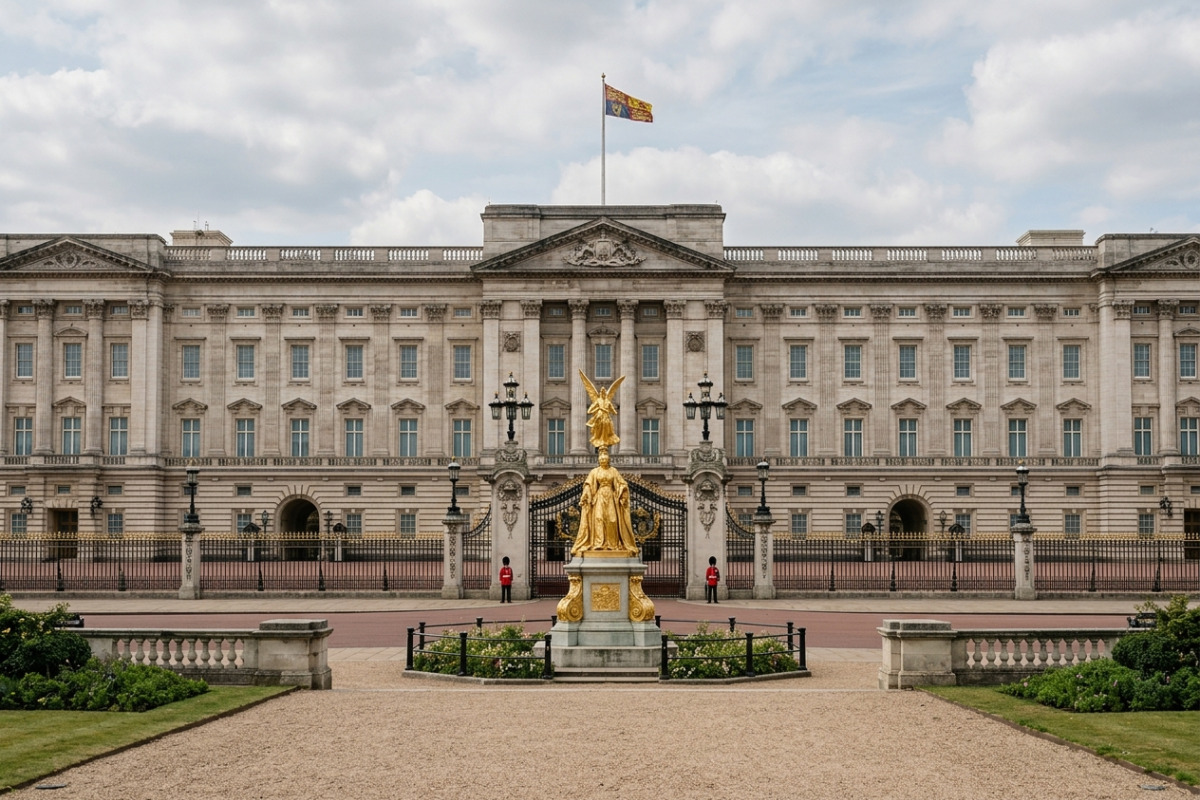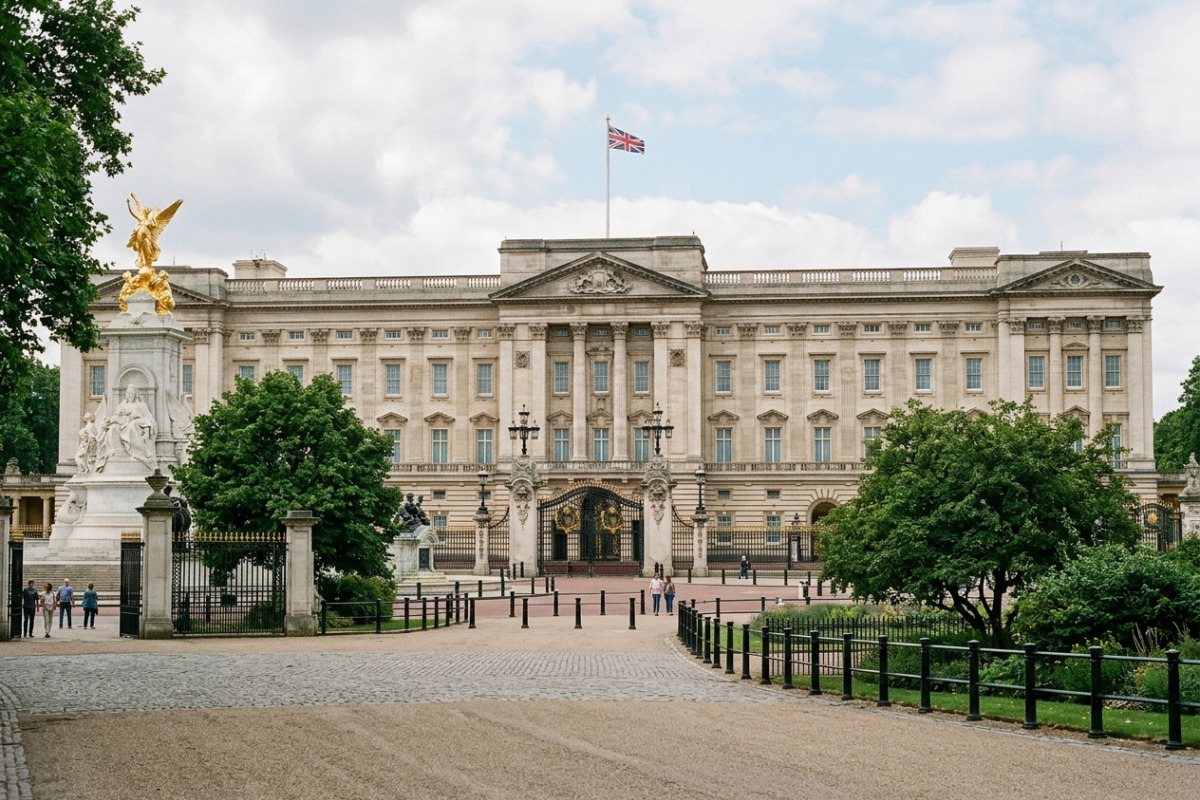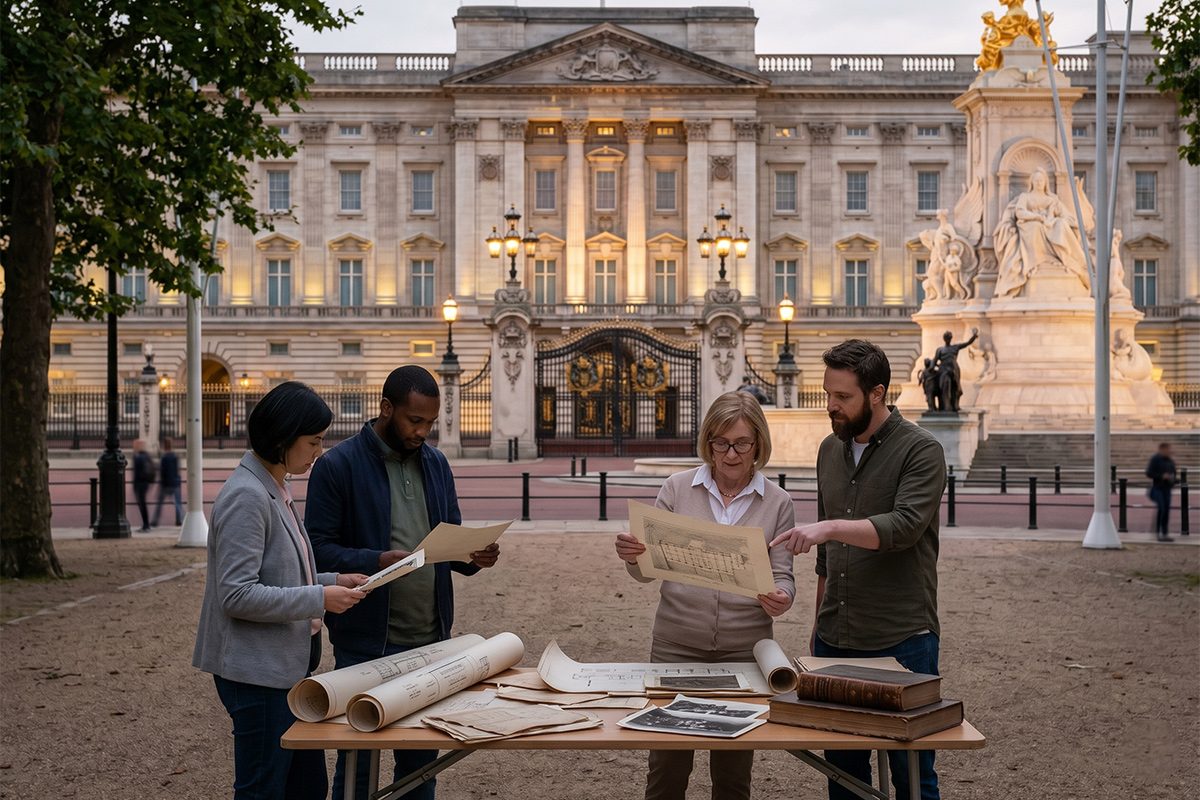
When one thinks of Buckingham Palace, grand ceremonies and royal pageantry come to mind. However, beneath its majestic facade lies a tapestry of untold stories and hidden histories that have shaped not only the palace but also the British monarchy itself. This exploration aims to unveil these lesser-known aspects, providing a deeper understanding of why Buckingham Palace is more than just a royal residence.
The Origins of Buckingham Palace: A Royal Transformation
Originally built as a townhouse for the Duke of Buckingham in 1703, Buckingham Palace has undergone significant transformations over the centuries. The transition from a private residence to the official London residence of the monarch began in 1837, when Queen Victoria ascended the throne. Her reign marked the palace's evolution into a symbol of the British monarchy, reflecting the changing dynamics of royal life and governance.
The architectural evolution of Buckingham Palace mirrors the historical shifts in British society. Initially, the structure was modest compared to its current grandeur. Over the years, various architects contributed to its redesign, leading to the expansive and opulent state rooms we admire today. The integration of classical elements speaks not just to aesthetic preferences but to the palace's role in representing power and authority.
The Role of Buckingham Palace in Political History
Beyond its royal significance, Buckingham Palace has been a silent witness to pivotal moments in British politics. The palace has served as a backdrop for significant events such as the signing of treaties, state visits, and even the announcement of the abdication crisis in 1936. Each event etched its mark on the palace, intertwining its narrative with that of the nation.
Moreover, the proximity of the palace to the Houses of Parliament underscores its role in the political fabric of the UK. The palace is not merely a residence but a venue where diplomacy and statecraft unfold, highlighting the intertwining of royal and governmental authority. This duality enriches the palace's history, revealing its importance in shaping public perception and national identity.
A Peek into the Lesser-Known Ceremonies
While the Changing of the Guard is a spectacle known to many, Buckingham Palace hosts a plethora of lesser-known ceremonies that reveal the intricate traditions of the monarchy. For instance, the Garter Day ceremony, held annually, is steeped in medieval tradition and honors the Order of the Garter, the oldest and most senior order of chivalry in the UK. Such events are not merely ceremonial; they reinforce the continuity of the monarchy and its historical roots.
Visiting Buckingham Palace allows you to witness these traditions firsthand. To enhance your experience, consider exploring the Visitor Guide to learn about ongoing celebrations and events that might coincide with your visit. These insights not only enrich your understanding but also connect you to the living history of the monarchy.
The Palace's Hidden Treasures and Art Collections
Within the walls of Buckingham Palace lies an impressive collection of art and historical artifacts, many of which tell stories of their own. The Royal Collection, one of the largest and most important art collections in the world, includes works by renowned artists such as Rembrandt and Van Dyck. Each piece provides a glimpse into the tastes and influences of various monarchs throughout history.
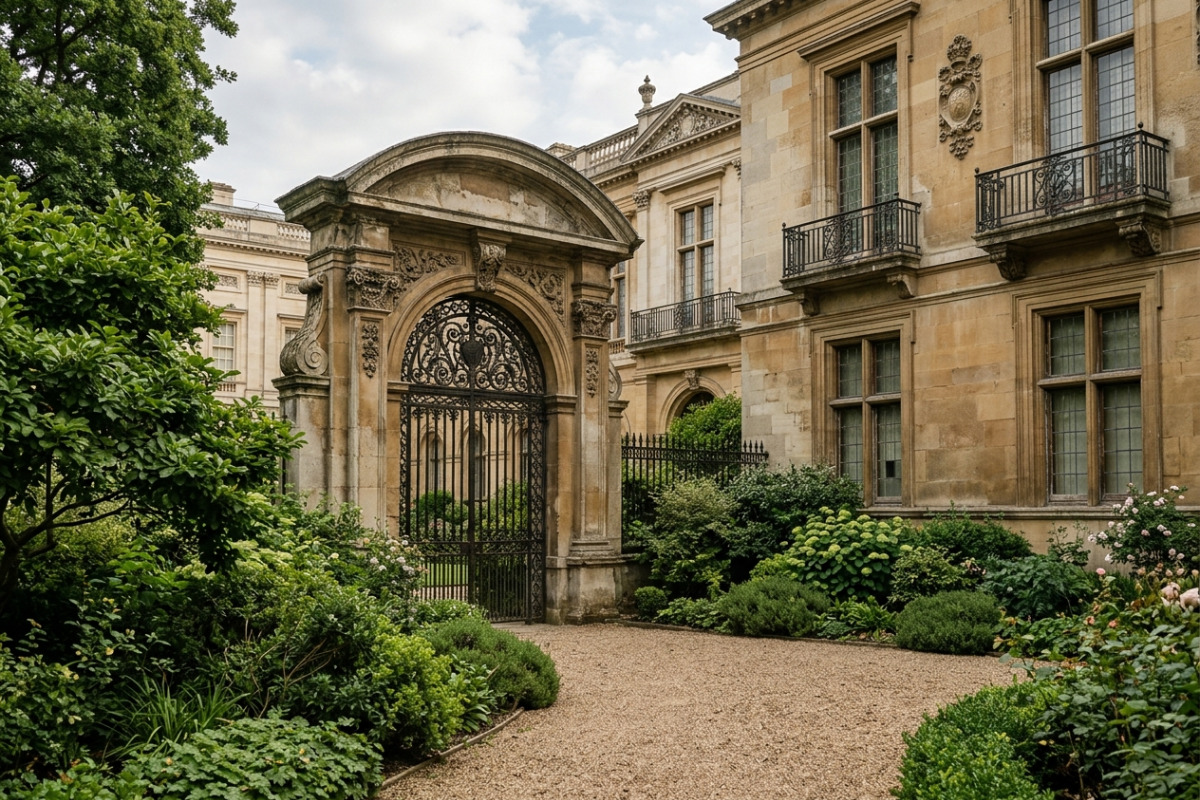
Interestingly, the palace itself is a work of art, with its intricate interiors designed to reflect the grandeur of the monarchy. From the opulent State Rooms to the serene gardens, every corner of Buckingham Palace is steeped in artistic heritage waiting to be explored. For an immersive experience, you can book a tour of the Palace Sections to uncover these hidden gems.
Conclusion: Embracing the Royal Heritage
As we peel back the layers of Buckingham Palace's history, we uncover a rich tapestry woven with stories of transformation, tradition, and artistry. Understanding these lesser-known aspects not only enhances our appreciation of the palace but also deepens our connection to the British monarchy. If you're planning a visit, don't miss the opportunity to explore these hidden treasures. For more information on planning your visit, check out our ticket options and ensure you experience the full grandeur of this iconic landmark.