Stepping into the ceremonial heart of the British monarchy is not merely a visit to a historic building; it is an immersion into centuries of carefully curated artistry and hidden narratives. Beyond the famous façade and the iconic balcony lies a sequence of rooms designed to awe, intimidate, and welcome the world's most influential figures. The Buckingham Palace State Rooms serve as the working headquarters of the royal family, hosting state banquets, investitures, and diplomatic receptions. They also function as part of the official residence and administrative center of the monarchy, holding secrets and stories that often escape the casual observer. For the curious traveler wandering through these halls, looking past the immediate glitter reveals a profound tapestry of human endeavor, artistic brilliance, and architectural triumph.
The air inside these walls feels heavy with history, carrying the echoes of grand balls, diplomatic negotiations, and quiet family moments. Every inch of the plasterwork, every gilded frame, and every woven carpet has been placed with deliberate intention. As you walk the very same floors that monarchs and foreign dignitaries have tread for generations, the sheer scale of the artistic mastery becomes overwhelmingly apparent. It is a place where grand ceilings draw the eye upward, while intimate portraiture pulls you back into the personal lives of the people who called this palace home.
The Visionaries Behind the Grandeur
The transformation of what was once a relatively modest brick house into a magnificent palace was largely the vision of architect John Nash, commissioned by King George IV in the 1820s. Nash possessed a theatrical flair, and he approached the redesign of the palace as if he were setting a stage for the greatest show on earth. He enlisted the era's most skilled craftsmen, from master carvers and gilders to expert plasterers, to breathe life into his ambitious blueprints. Although Nash was eventually dismissed for vastly exceeding his budget, his creative genius laid the irreplaceable foundation for the ceremonial spaces we marvel at today.
Following Nash’s departure, Edward Blore stepped in to complete the project, adding a more restrained and practical touch to the soaring romanticism of his predecessor. The collaboration—and sometimes conflict—between different architectural philosophies resulted in a fascinating blend of styles. Today, the intricate details left behind by these craftsmen tell a silent story of dedication, where thousands of hours were spent perfecting a single cornice or polishing a stretch of marble. Recognizing the hands that shaped these rooms adds a deeply human layer to the towering architectural achievements.
Standout Ceremonial Spaces and Their Secrets
Navigating the palace reveals a carefully choreographed progression of rooms, each with its own distinct personality and purpose. These are not just museum galleries; they are living spaces that adapt to the needs of modern diplomacy while preserving their historical integrity. Visitors often find themselves captivated by the seamless blend of functionality and breathtaking beauty. Let us explore some of the most iconic rooms and the hidden details that make them truly extraordinary.
The White Drawing Room
Often considered the most majestic of all the reception rooms, the White Drawing Room is a dazzling symphony of gold and white. It serves as the traditional gathering space for the royal family before official events, radiating a warm yet undeniably regal atmosphere. Beneath the spectacular crystal chandeliers, the room features delicate English and French furniture upholstered in vibrant yellow silk, creating a striking contrast against the pale walls. Perhaps the most delightful secret of this room is the hidden door disguised as a mirror and cabinet, allowing the monarch to make a sudden, magical entrance from the private apartments.
The Throne Room
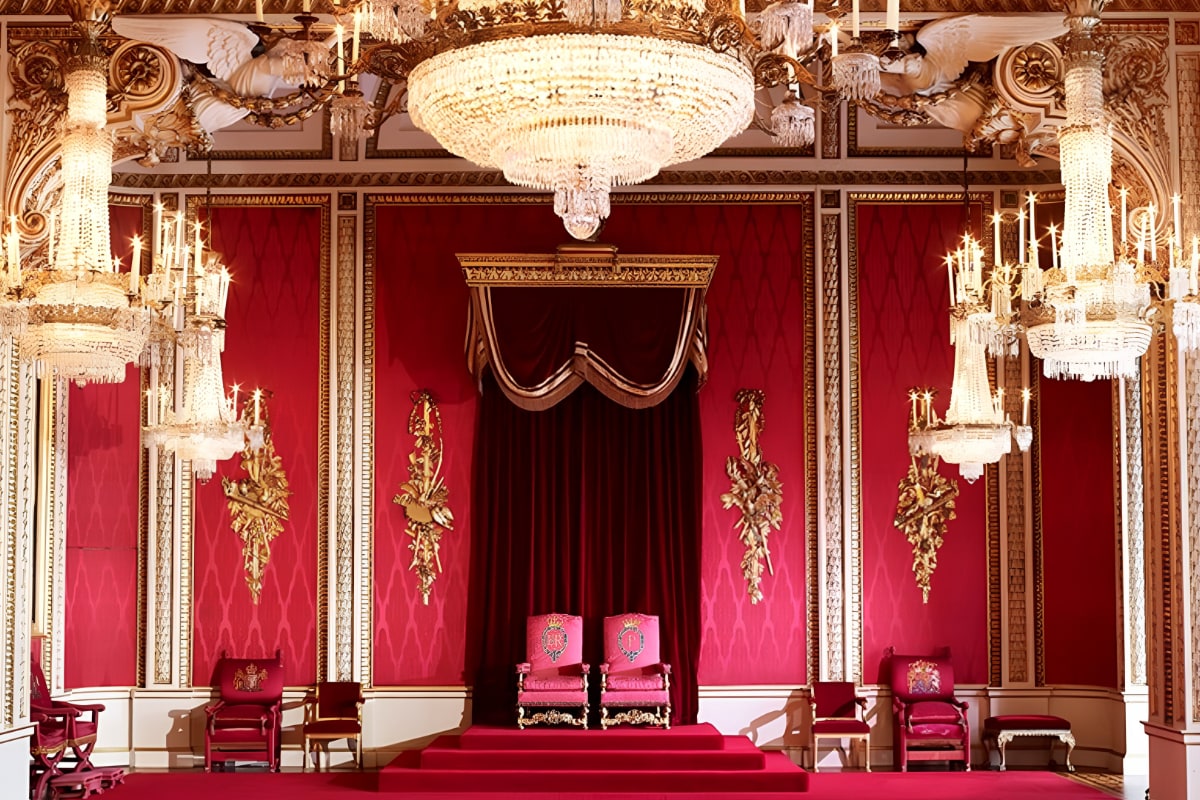
Drama and absolute authority are the defining characteristics of the Throne Room, a space that immediately commands respect and awe. John Nash’s background in theater design is most evident here, particularly in the spectacular proscenium arch that frames the royal seats. The crimson silk damask on the walls provides a rich, vibrant backdrop for the Chairs of Estate, which have been used in various coronation ceremonies. Standing in this room, you can almost hear the rustle of ceremonial robes and feel the weight of the ancient traditions that continue to define London royal history.
The Ballroom
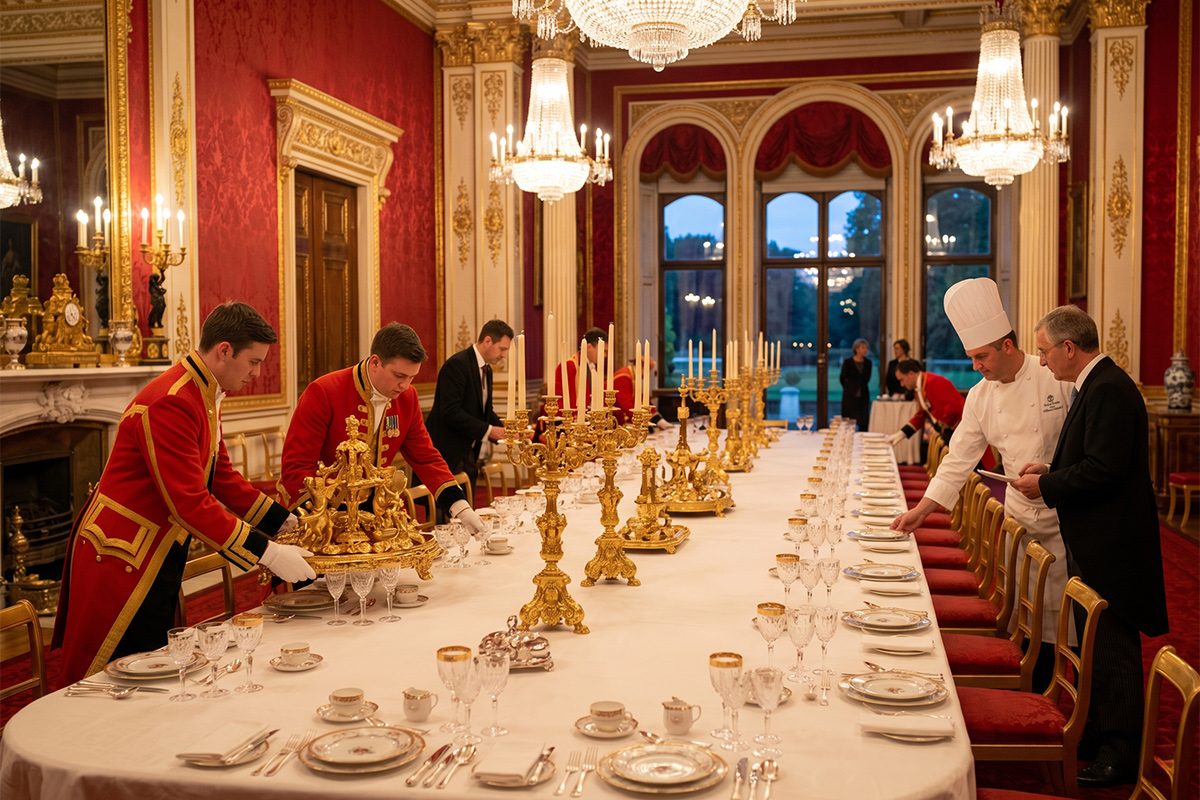
Added later in 1856 by Queen Victoria, the Ballroom is the largest of the State Rooms. It is used for State Banquets and Investitures. The room is decorated in a rich crimson and gold scheme, and features portraits of past monarchs. This grand space exemplifies Victorian opulence and is a highlight of any Buckingham Palace tour.
The Picture Gallery
Stretching an impressive 47 meters across the center of the palace, the Picture Gallery was specifically designed by Nash to house King George IV’s magnificent art collection. Walking down this corridor is akin to traversing one of the finest art museums in the world, with walls lined by masterpieces from the likes of Vermeer, Rembrandt, and Canaletto. The curation of this space is dynamic, with royal artworks frequently rotated to showcase the vast depth of the Royal Collection. It is a space where art lovers can lose themselves in the brushstrokes of history's greatest masters.
The Lighting Innovation
One of the most brilliant aspects of the Picture Gallery is its innovative approach to natural illumination. Nash understood that viewing oil paintings required specific lighting conditions, leading him to design a magnificent glass roof that bathes the space in diffused, even sunlight. This architectural choice not only protects the delicate pigments of the centuries-old canvases but also creates a serene, glowing atmosphere. Even on a notoriously cloudy London afternoon, the gallery feels remarkably vibrant and alive.
Notable artworks within the Picture Gallery include works by:
- Johannes Vermeer: 'The Music Lesson'
- Rembrandt van Rijn: Several portraits showcasing his mastery of light and shadow.
- Canaletto: Captivating Venetian scenes.
The Music Room
The Music Room is used for special occasions, such as royal christenings. It features a distinctive bow window and is decorated in a neoclassical style. The room's elegant design and acoustics make it perfect for intimate musical performances and ceremonial events.
The Grand Staircase
The Grand Staircase is the main access point to the State Rooms. It is adorned with portraits of members of the royal family and features elaborate plasterwork. As visitors ascend the staircase, they are greeted by a visual representation of the monarchy's lineage and history.
Masterpieces in Wood, Silk, and Gold
The Buckingham Palace State Rooms are furnished with some of the most exquisite decorative arts ever created, many of which carry fascinating backstories. These historic palace furnishings are not mere decorations; they are diplomatic gifts, spoils of history, and commissioned triumphs. The craftsmen behind these objects pushed the boundaries of their respective mediums, working with rare woods, precious metals, and delicate ceramics. As you observe these pieces, you are looking at the pinnacle of European decorative arts.
To truly appreciate the wealth of craftsmanship on display, one must look closely at the individual pieces scattered throughout the ceremonial spaces. The palace serves as a sanctuary for items that define artistic eras and showcase unparalleled technical skill. Some of the most remarkable treasures include:
- Sèvres Porcelain: The palace holds one of the finest collections of Sèvres porcelain in the world, featuring vibrant colors and intricate gilded details that were highly favored by French royalty before finding their way to England.
- French Boulle Marquetry: Cabinets adorned with complex tortoiseshell and brass inlays demonstrate the painstaking patience of 18th-century Parisian artisans, reflecting the height of continental luxury.
- Astronomical Clocks: Beyond telling time, these intricate mechanical wonders map the stars and the phases of the moon, serving as a testament to the scientific curiosity of past monarchs.
- Gilded Bronze Candelabras: Often standing taller than a person, these massive fixtures were designed to reflect candlelight across the mirrors, effectively doubling the illumination during grand evening receptions.
Curated Masterpieces: A Guide to the Collection
To help visitors navigate the overwhelming visual feast, it is helpful to categorize some of the most significant artistic triumphs found within the palace. The sheer volume of masterpieces can be dizzying, making it essential to highlight specific items that encapsulate the spirit of their surroundings. The table below breaks down a few must-see treasures, detailing their locations, creators, and the hidden significance they hold. Keep this guide in mind as you wander through the grand corridors.
| Room | Masterpiece | Craftsman / Artist | Hidden Significance |
| White Drawing Room | The Hidden Door | John Nash | Disguised as a mirror and cabinet, it allows the monarch to enter without crossing public corridors. |
| Picture Gallery | 'The Music Lesson' | Johannes Vermeer | One of only 34 surviving Vermeers, acquired by George III without realizing its true value. |
| Throne Room | Chairs of Estate | White, Allom & Co. | Embroidered with the cyphers of the reigning monarchs, symbolizing the continuity of the crown. |
| Blue Drawing Room | Table of the Grand Commanders | Sèvres Manufactory | Commissioned by Napoleon and later gifted to George IV, featuring portraits of ancient military leaders. |
Intimate Portraiture Amidst the Grand Ceilings
While the soaring, heavily gilded ceilings project an image of untouchable divine right and imperial strength, the artwork hanging at eye level often tells a much softer story. The state rooms are adorned with intimate portraiture that captures the human vulnerability and personal affections of the royal family. Paintings of Queen Victoria’s children, rendered with tender affection, sit just rooms away from massive allegorical canvases depicting military triumphs. This juxtaposition creates a fascinating psychological landscape for the visitor to navigate.
These portraits serve as a poignant reminder that behind the velvet ropes and the strict protocols, this palace has always been a family home. The artists commissioned for these works were tasked with balancing the majesty of the crown with the genuine personalities of their subjects. When you look into the painted eyes of long-departed kings and queens, the rigid mask of history slips away, revealing the real people who bore the immense weight of the monarchy. It is this delicate balance between the grand and the intimate that makes the royal artworks so compelling.
Experiencing the Living History Today
The Buckingham Palace State Rooms remain as breathtaking and relevant as they were during the reign of Queen Victoria. They continue to host state banquets, investitures, and diplomatic receptions, proving that these spaces are not frozen in time but are active participants in global affairs. To walk through these rooms is to participate in an ongoing narrative, one that bridges the gap between the artistic triumphs of the past and the living history of the present. The palace invites you not just to look, but to feel the enduring heartbeat of a nation.
For the passionate traveler, a journey through these ceremonial spaces offers far more than a simple sightseeing opportunity. It is a masterclass in art history, a testament to brilliant craftsmen, and a deep dive into the untold stories that shaped the modern world. Long after you exit through the grand gates and return to the bustling streets of London, the memory of those gilded ceilings and quiet portraits will stay with you. The magic of the palace lies in its ability to make every visitor feel, even for just a moment, like a part of its grand, unfolding story.
Planning Your Visit
The State Rooms are typically open to the public during the summer months (usually from July to September) and on select dates throughout the year. Tickets can be purchased online in advance through the Royal Collection Trust website, and booking ahead is highly recommended, especially during peak season. For those interested in Buckingham Palace tours, it's advisable to book well in advance due to high demand.
Practical Information:
- Opening Times: Vary depending on the time of year. Check the Royal Collection Trust website for the most up-to-date information.
- Tickets: Advance booking is essential. Visit the Royal Collection Trust website to secure your tickets.
- Tours: Guided tours are available, providing in-depth insights into the history and art of the State Rooms.
- Accessibility: The palace offers accommodations for visitors with disabilities. Check the website for details.
- Photography: Photography policies may vary; please check the latest guidelines on the Royal Collection Trust website before your visit.
- Security: Be prepared for security checks upon entry. Large bags may not be permitted.
Frequently Asked Questions
When is it possible to visit the State Rooms?
The State Rooms are typically open to the public during the summer months and on select dates throughout the year. Check the Royal Collection Trust website for specific dates and times.
What are some of the most noteworthy artworks to see?
Highlights include 'The Music Lesson' by Johannes Vermeer in the Picture Gallery, the Chairs of Estate in the Throne Room, and the extensive collection of Sèvres porcelain.