Imagine standing outside the grand, gilded gates of Buckingham Palace as a magnificent procession is about to begin. The air is thick with a palpable sense of anticipation, and the rhythmic sound of marching guards echoes through the historic streets of London. Beyond the perfectly choreographed movements and the sea of vibrant uniforms lies a much deeper narrative, one told through shimmering gold, ancient velvet, and flawless diamonds. These breathtaking items are not merely beautiful artifacts; they are the living, breathing embodiment of a nation's history. Royal pageantry relies heavily on these ceremonial objects to bridge the vast gap between past and present, conveying an enduring sense of authority and continuity. As we delve into the fascinating world of regalia and ritual, we uncover the silent stories woven into the very fabric of the monarchy.
Ceremonial Objects: Crowns, Robes, and Insignia
State occasions at Buckingham Palace are a masterclass in visual storytelling, where every single item worn or carried serves a highly specific and historical purpose. The crowns, robes, and insignia are the undisputed stars of these grand events, effectively transforming a human monarch into the living symbol of an entire nation. When the sovereign steps into the opulent throne room or prepares for the solemn State Opening of Parliament, the weight of these objects is both literal and deeply metaphorical. Each piece carries the legacy of previous monarchs, creating an unbroken chain that stretches back through the centuries. Witnessing these items in their intended ceremonial context offers travelers and history enthusiasts a rare, moving glimpse into a world where tradition remains paramount.
Artisanal Origins and Unmatched Craftsmanship
The creation of royal regalia is an extraordinary testament to the lifelong dedication of master jewelers, weavers, and metalworkers. Generations of highly skilled artisans have contributed to this dazzling collection, often utilizing complex techniques that are now incredibly rare or entirely lost to modern history. From the intricate gold filigree that catches the light to the meticulously hand-stitched ermine borders of the sweeping robes, every tiny detail reflects an uncompromising pursuit of absolute perfection. The raw materials themselves were historically sourced from the farthest corners of the globe, representing the vast reach and complex history of the empire at various points in time. Understanding the profound artisanal origins of these pieces deepens our appreciation for the sheer human effort and artistic brilliance required to forge such enduring symbols of power.
Symbolism Woven into Gold and Velvet
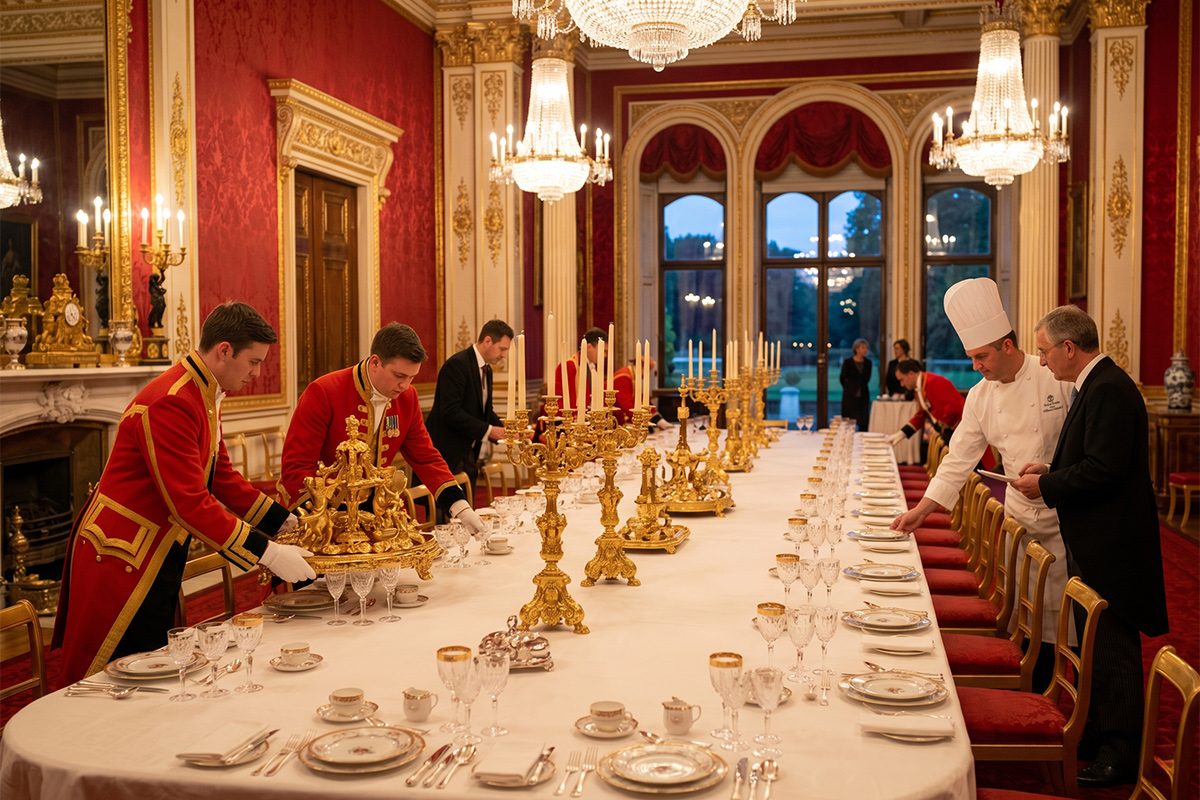
Beyond their breathtaking beauty and material worth, ceremonial objects are steeped in profound, multi-layered symbolism. Every individual gemstone, heavy scepter, and golden orb carries a specific, deliberate message about the monarch's relationship with the state, the divine, and the people they serve. The orb, for instance, represents the sovereign's power on earth, while the scepter symbolizes temporal authority, justice, and the promise of good governance. During grand state banquets or formal investitures at Buckingham Palace, these items serve as silent but incredibly powerful communicators of tradition. They remind all onlookers that the institution endures with grace and fortitude, regardless of the rapidly changing modern world outside the palace walls.
| Ceremonial Object | Key Materials | Symbolic Meaning |
| Imperial State Crown | Gold, diamonds, sapphires, rubies | The sovereign's authority and the wealth of the nation |
| The Sovereign's Orb | Gold, emeralds, pearls, amethyst | Christian sovereignty over the earthly world |
| The Sceptre with Cross | Gold, Cullinan I diamond | Temporal power, justice, and good governance |
| Robe of State | Crimson velvet, gold lace, ermine | Dignity, solemnity, and historical continuity |
Preserving History for Future Generations
Maintaining items of such immense historical and material value requires a highly delicate balance of cutting-edge science and age-old tradition. The preservation of royal regalia is a continuous, painstaking process handled by a select group of dedicated experts and conservators. These unsung heroes work tirelessly behind the scenes in highly secure environments to ensure that ancient fabrics do not degrade and precious metals never tarnish. Their meticulous work guarantees that the items remain in absolutely pristine condition for their next ceremonial outing, whether it be a jubilee or a royal wedding. When not actively in use at Buckingham Palace or Westminster, many of these treasures are carefully displayed to the public, allowing awe-struck visitors to connect intimately with the cultural heartbeat of the nation.
Techniques in Royal Conservation
The specialized methods used to protect and maintain these priceless artifacts are just as fascinating as the historical objects themselves. Conservators employ a carefully calculated mix of traditional cleaning methods and modern climate-control technology to effectively halt the relentless march of time. Every intervention is carefully considered to ensure the original integrity of the piece is never compromised.
- Climate-controlled environments: Display cases and secure storage vaults are kept at incredibly precise humidity and temperature levels to prevent the deterioration of fragile textiles and ancient metals.
- Micro-vacuuming and gentle brushing: Historic robes and velvet components are cleaned using specialized, low-suction vacuums and soft-bristle brushes to remove dust without damaging the delicate, centuries-old fibers.
- Non-abrasive polishing: Master jewelers use custom-made, incredibly soft cloths and chemical-free solutions to maintain the brilliant sparkle of diamonds and gold without wearing down the historic settings.
- Detailed condition mapping: Every microscopic scratch, loose gold thread, or slightly shifting gemstone is meticulously documented in a comprehensive digital archive before and after any state occasion.
Specialized Textile Care
The velvet and ermine elements of the ceremonial robes present a unique challenge that requires an entirely different set of conservation skills. Unlike solid gold or diamonds, natural fibers are highly susceptible to light damage, humidity changes, and even the natural oils from human hands. Conservators often spend hundreds of hours carefully reinforcing weakened seams with invisible silk threads to ensure the garments can still be worn safely. This intense labor of love ensures that the majestic sweep of the monarch's train remains just as awe-inspiring today as it was centuries ago.
Iconic Examples of Royal Regalia
Let's take a closer look at some of the most recognizable and historically significant pieces of royal regalia:
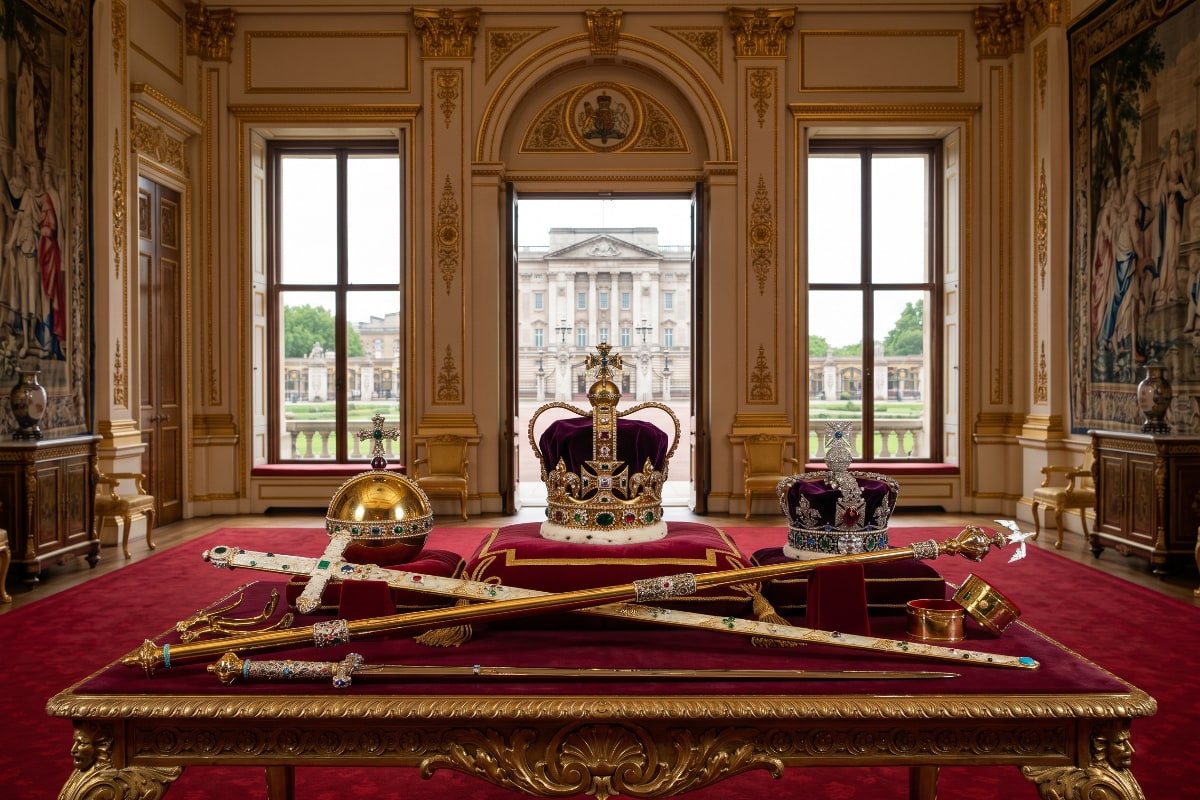
- St Edward's Crown: This crown, made of solid gold, is used at the moment of coronation. Originally made for Charles II in 1661, it is a powerful symbol of the monarch's authority.
- Imperial State Crown: Worn by the monarch after the coronation and at the State Opening of Parliament, this crown is adorned with nearly 3,000 gemstones, including the Cullinan II diamond. Its design has evolved over centuries.
- The Sovereign's Orb: A hollow gold sphere adorned with precious stones, the Orb represents the monarch's power and dominion under God. It is placed in the monarch's right hand during the coronation ceremony.
- The Sceptre with Cross: Symbolizing the monarch's temporal power and justice, this scepter holds the Cullinan I diamond, the largest clear-cut diamond in the world.
- Robe of State: Also known as the Parliament Robe, this crimson velvet robe is worn by the monarch for the State Opening of Parliament. Its long train and ermine trim signify dignity and tradition.
Ethical Considerations and the Future of Regalia
The sourcing of materials for royal regalia, particularly diamonds and other precious stones, has come under increasing scrutiny in recent years. Concerns about conflict diamonds and the ethical implications of colonial-era acquisitions have led to calls for greater transparency and accountability. Furthermore, some artifacts are subject to repatriation claims from countries that believe they were acquired unjustly. The ongoing debate raises important questions about the balance between preserving historical traditions and addressing contemporary ethical concerns. Modern conservation practices are also evolving to prioritize minimal intervention and respect for the object's history, moving away from aggressive restoration techniques.
The Enduring Power of Royal Pageantry
As we navigate through the vibrant spring of April 2026, the magnetic allure of grand royal ceremonies remains as potent and captivating as ever. The unforgettable sight of a majestic carriage procession or a beautifully orchestrated state banquet at Buckingham Palace taps into a deeply universal human fascination with ritual and belonging. The ceremonial objects—the heavy crowns, the sweeping robes, and the glittering insignia—are the vital, shining anchors of this spectacular pageantry. They seamlessly transform a gathering of modern dignitaries into a profound historical event, linking the fast-paced contemporary era to centuries of unbroken, majestic tradition. For passionate travelers and history enthusiasts alike, witnessing or even just learning about these rituals offers a deeply moving connection to the soul of the culture.
Ultimately, the concepts of regalia and ritual are about much more than opulent displays of wealth or grand theatricality. They form the visual language of continuity, offering a comforting sense of stability and enduring national identity in an unpredictable world. When the heavy velvet robes rustle against the palace floors and the ancient diamonds catch the warm light of the grand crystal chandeliers, history truly breathes. It is a spectacular, emotional reminder that while generations pass and the world inevitably evolves, the stories forged in gold and precious stones continue to shine brilliantly for all to see.
Interested in witnessing this history firsthand? Plan your visit to Buckingham Palace today and experience the magic of royal pageantry!